Evaluating Tropic Leaves Palm Leaf Letter I for Creative Projects
In the evolving landscape of digital design, creators often seek assets that balance aesthetic appeal with technical versatility. Tropic Leaves, Palm Leaf Letter I and Clipart represents a specific category of vector-based graphic elements designed to bridge the gap between decorative typography and organic botanical illustration. This article examines the characteristics, applications, and practical considerations of using these assets, helping designers and hobbyists determine if they align with their project requirements.
Understanding the Asset Specifications
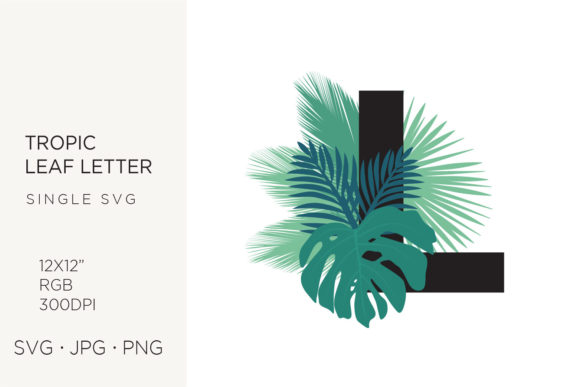
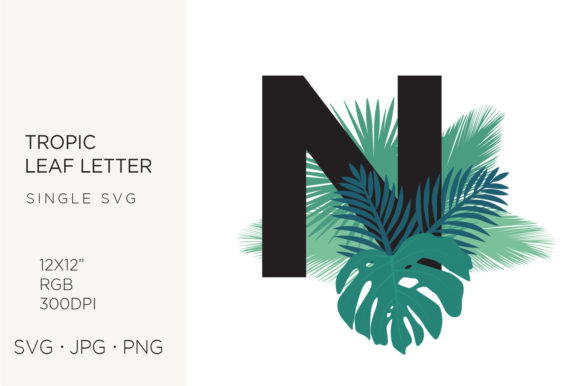
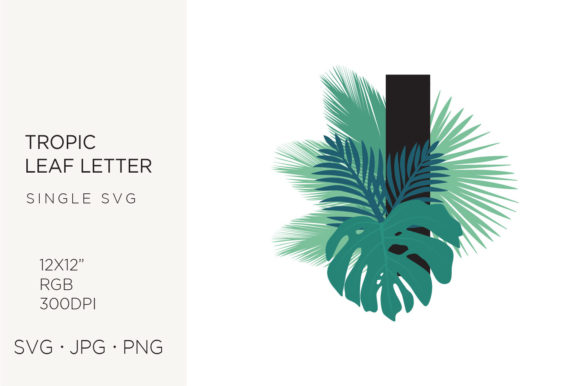
Before integrating any digital element into a workflow, it is essential to understand its technical foundation. The Tropic Leaves collection is built on a vector architecture, specifically created in Adobe Illustrator. This origin is significant because vector graphics rely on mathematical paths rather than pixels, allowing for infinite scalability without loss of quality. The core asset, the Palm Leaf Letter I, is constructed within a 12 x 12 inch artboard at a resolution of 300 DPI in the RGB color palette.
The distribution of these files typically includes SVG, JPG, and PNG formats. Each format serves a distinct purpose in the design ecosystem. The SVG (Scalable Vector Graphics) file preserves the editable vector paths, making it ideal for further manipulation in design software. The PNG format offers transparency, which is crucial for layering graphics over complex backgrounds, while the JPG provides a standard raster image suitable for quick previews or web use where transparency is not required. Understanding these distinctions allows users to select the appropriate file type for their specific output medium.
Design Versatility and Application Scenarios
The primary value proposition of the Tropic Leaves, Palm Leaf Letter I lies in its adaptability across various creative disciplines. Because the letterform is integrated with tropical foliage, it serves as both a typographic element and a standalone illustration. This dual nature opens up several avenues for application:
- Branding and Logo Design: For businesses in the hospitality, wellness, or travel sectors, this asset can serve as a foundational component of a logo. The organic curves of the palm leaves soften the rigid structure of the letter, conveying a sense of relaxation and natural elegance.
- Printed Stationery and Invitations: The high-resolution output ensures crisp printing on physical media. Designers can utilize the clipart elements to create cohesive themes for wedding invitations, birthday announcements, or party decor.
- Wall Art and Home Decor: The 12 x 12 inch artboard size is compatible with standard square framing options. When scaled appropriately, the vector data maintains sharpness, making it suitable for large-format prints or canvas wraps.
- Handmade Crafts and Jewelry: Crafters can use the SVG files with cutting machines to create intricate paper cuts, vinyl decals, or even metal jewelry components. The clean lines of the vector paths ensure precise cuts.
This breadth of utility makes the asset particularly attractive to multi-disciplinary creators who work across both digital and physical mediums.
Benefits of Vector-Based Tropical Graphics
Choosing vector-based assets like the Palm Leaf Letter I offers several tangible benefits over standard raster images. The most notable advantage is editability. Since the files are generated in Adobe Illustrator, users with access to vector software can modify anchor points, adjust stroke weights, and recolor elements to match specific brand guidelines or personal preferences. This level of control is not possible with flat JPEG or PNG images.
Furthermore, the RGB color palette ensures vibrant display on digital screens, which is increasingly important for web design and social media graphics. While CMYK is standard for professional offset printing, modern digital printers and home printing solutions handle RGB files effectively, especially when the source resolution is high, such as the 300 DPI provided here.
Tradeoffs and Technical Considerations
While the advantages are clear, potential users must also consider certain tradeoffs. The reliance on vector software for full customization means that individuals without tools like Adobe Illustrator or compatible alternatives (such as Inkscape or Affinity Designer) may find the SVG files less useful. They would be limited to the pre-rendered JPG and PNG versions, losing the ability to scale infinitely or edit individual components.
Additionally, the tropical theme, while popular, is niche. Designers working on corporate, industrial, or minimalist tech projects may find the ornate nature of palm leaves incongruent with their visual identity. It is crucial to evaluate whether the aesthetic aligns with the intended message. Overuse of decorative fonts can also impact readability, particularly in small sizes or dense text blocks. Therefore, the Palm Leaf Letter I is best used as a display element rather than for body text.
Comparing Alternatives
When evaluating Tropic Leaves, Palm Leaf Letter I, it is helpful to compare it with alternative design resources. Standard stock photography offers realistic tropical imagery but lacks the stylized, graphic quality of vector art. Photographs are also harder to integrate seamlessly into layered designs due to lighting and background constraints.
On the other hand, generic clipart libraries may offer similar themes but often lack the cohesive design language found in specialized collections. Many free clipart sources provide low-resolution raster files that pixelate when enlarged. The structured approach of a professionally crafted vector set ensures consistency in line weight and style, which is vital for maintaining a polished look across multiple design pieces.
Decision-Making Insights for Creators
To determine if this asset fits your needs, consider the following questions:
- What is the final output? If you are designing for large-scale print or need to resize the graphic frequently, the vector format is essential. If you only need a static image for a blog post, the PNG may suffice.
- Do you have editing capabilities? Assess your proficiency with vector software. If you plan to customize colors or shapes, ensure you have the necessary tools. If not, verify that the default colors and shapes meet your requirements out of the box.
- Does the theme match your audience? Tropical aesthetics evoke feelings of warmth, vacation, and nature. Ensure this emotional resonance aligns with your project’s goals. For example, it is an excellent fit for a summer sale announcement but may be inappropriate for a formal legal document.
In conclusion, Tropic Leaves, Palm Leaf Letter I and Clipart offers a robust solution for creators seeking high-quality, scalable tropical graphics. Its vector foundation provides flexibility for professional design work, while the included raster formats ensure accessibility for simpler projects. By understanding the technical specifications and aligning them with your specific creative goals, you can effectively leverage these elements to enhance logos, stationery, wall art, and more. As with any design asset, the key to success lies in thoughtful integration and respecting the balance between decorative flair and functional clarity.