Exploring the Depth and Utility of 18 Shades of Black Textured Backgrounds
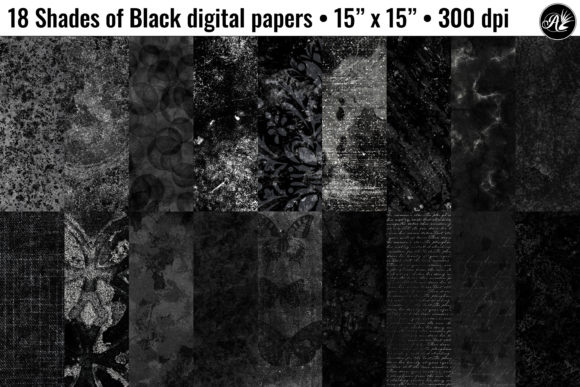
In the realm of digital design and physical crafting, the perception of black is rarely monolithic. While often dismissed as a simple absence of color or a default void, black possesses a complex spectrum of tones, textures, and visual weights. The collection known as 18 Shades of Black offers a sophisticated exploration of this nuance, providing creators with a versatile toolkit that moves far beyond standard flat colors. From a mottled grey to blackened coal, this set of 18 black-toned papers in a variety of styles serves as a fantastic backdrop for a myriad of projects. These assets are not merely decorative; they are functional design elements that add depth, character, and professional polish to both digital and physical creations.
The value of high-quality background textures lies in their ability to ground a composition. Flat, solid colors can sometimes feel sterile or unfinished, lacking the tactile quality that draws the viewer in. By incorporating highly textured surfaces, designers introduce a sense of history, materiality, and dimension. This specific collection focuses on the subtleties of dark tones, ensuring that every shade contributes to the overall mood without overwhelming the foreground elements. Whether used for art, print-on-demand projects, scrapbooking pages, handmade cards, shadowbox designs, paper cutting projects, invitations, announcements, web design, junk journals, decor, or any physical or digital creative designs, these backgrounds provide a robust foundation for visual storytelling.
The Visual Spectrum: From Mottled Grey to Blackened Coal
Understanding the range within this collection is essential for effective application. The term "black" often implies a single hex code or ink density, but in reality, it encompasses a wide array of visual experiences. The 18 Shades of Black include variations that lean towards charcoal, slate, obsidian, and deep graphite. Some sheets feature a mottled grey appearance, reminiscent of weathered stone or aged parchment, while others approach the intensity of blackened coal, offering near-total light absorption with subtle surface irregularities.
This variety is crucial because different projects require different levels of contrast and visibility. A mottled grey background might be ideal for a junk journal page where legibility of handwritten notes is paramount, whereas a deeper, coal-like texture could serve as a dramatic backdrop for a high-contrast photography portfolio or a luxury product invitation. The high texture of each image ensures that even the darkest shades retain visual interest, preventing them from appearing as empty space. Instead, they act as active participants in the design, guiding the eye and adding a layer of sophistication that flat colors cannot achieve.
Technical Specifications and Quality Assurance
For professionals and serious hobbyists, technical specifications are not just details; they are requirements for viability. The files in this collection are delivered as 18 JPG images, each sized at 15 x 15 inches with a resolution of 4500 pixels square. At 300 dpi (dots per inch), these images meet the industry standard for high-quality printing. This resolution ensures that when printed, the textures remain crisp and detailed, without pixelation or blurring, even when viewed up close.
It is important to note that these backgrounds are not seamless patterns. They are large, standalone images designed to be used as full-page backgrounds or cropped for specific design needs. The non-seamless nature allows for more organic and realistic textural representations, as seamless tiles can sometimes reveal repetitive patterns that break the illusion of a natural material. The large file size provides ample room for cropping, resizing, and manipulating the images within photo processing software without significant loss of quality.
Users will receive the files in a zip format. Typically, these files will open automatically or by double-clicking on them, depending on the operating system. If not, users may need to utilize an unzipping program like Winzip or 7-Zip. It is strongly recommended that files be downloaded to a computer rather than a phone or tablet, as the large file sizes and the need for subsequent editing require the processing power and screen real estate of a desktop or laptop environment.
Applications in Physical Crafting and Paper Arts
The tactile nature of these digital textures translates remarkably well into physical crafts. For scrapbookers and junk journal enthusiasts, these backgrounds offer a way to create cohesive themes without the expense and storage issues associated with buying numerous packs of physical patterned paper. By printing these designs on high-quality cardstock or specialty paper, crafters can produce custom backgrounds that match their exact vision.
In paper cutting projects and shadowbox designs, the depth provided by the textured blacks enhances the three-dimensional effect. When layers of cut paper are placed against a textured dark background, the shadows and highlights inherent in the texture interact with the physical layers, creating a richer visual experience. Handmade cards and invitations benefit from the elegance of these shades, particularly for formal events such as weddings, galas, or memorial services where a somber yet sophisticated aesthetic is desired. The variety of styles allows for customization based on the tone of the event, from the soft melancholy of mottled grey to the stark finality of blackened coal.
Digital Design and Web Integration
Beyond physical crafts, these assets are invaluable for digital designers. In web design, using textured backgrounds can reduce the cognitive load associated with stark white screens, offering a more comfortable reading experience for long-form content. However, care must be taken to ensure text remains legible. The lighter shades within the 18 Shades of Black collection are particularly useful for creating dark mode interfaces that are easy on the eyes while maintaining brand identity.
For print-on-demand projects, such as custom phone cases, tote bags, or home decor items, these high-resolution images provide the necessary quality for commercial production. Designers can overlay typography, illustrations, or photographs onto these backgrounds to create unique products. The key to success in digital applications is understanding how monitor settings affect color perception. Due to various monitor and printer settings, colors may vary if not calibrated correctly. Therefore, it is advisable to test prints and view designs on multiple devices to ensure consistency.
To work effectively with these files for digital designs, users will likely need Photoshop, Photoshop Elements, Gimp, or other photo processing software. These tools allow for adjustments in brightness, contrast, and saturation, enabling designers to tweak the backgrounds to suit specific project requirements. Layer masks and blending modes can further integrate foreground elements with the textured background, creating a cohesive and professional look.
Considerations for Optimal Use
While the versatility of these backgrounds is a major advantage, successful implementation requires attention to detail. One primary consideration is contrast. When placing text or intricate graphics over a textured black background, ensure there is sufficient contrast for readability. Light-colored fonts, particularly those with bold weights, tend to perform best against darker textures. For lighter grey shades, dark or vibrant accent colors can create striking visual hierarchy.
Another consideration is the context of use. In minimalist designs, a subtle mottled grey might provide just enough interest without distracting from the main subject. In contrast, maximalist or grunge-style designs might benefit from the heavier, more pronounced textures of the coal-like shades. Understanding the emotional resonance of different black tones can help designers evoke specific responses from their audience. Darker, smoother blacks often convey luxury and seriousness, while rougher, lighter textures might suggest age, resilience, or organic origins.
Finally, users should remember that product photos displayed in listings are for display purposes only and are not included in the download. The actual files are the digital textures themselves, ready for integration into personal or commercial projects. By downloading these assets to a computer and utilizing appropriate software, creators can unlock the full potential of these high-quality resources. Whether enhancing a digital portfolio, crafting a heartfelt card, or designing a commercial product, the 18 Shades of Black provide a reliable and aesthetically pleasing foundation for creative expression.