Integrating the Peace Sign SVG DXF into Modern Digital Craft and Design Workflows
In the rapidly evolving landscape of digital design and physical crafting, the intersection of vector graphics and automated cutting technology has created a new paradigm for creators. At the heart of this movement is the demand for high-quality, versatile assets that bridge the gap between digital conception and tangible output. One such asset that has gained significant traction among professionals and hobbyists alike is the Peace Sign SVG DXF. This file format combination is not merely a graphic; it is a functional tool designed for precision, scalability, and seamless integration with industry-standard cutting machines.
The resurgence of handmade goods, personalized merchandise, and bespoke home decor has driven a shift in how designers approach their workflows. No longer are creators limited to static images or low-resolution bitmaps. Instead, they require dynamic, editable vectors that can be manipulated to fit any dimension without losing fidelity. The Peace sign SVG serves as an ideal candidate for this purpose, offering a universal symbol of harmony that resonates across diverse markets, from fashion and accessories to interior design and event planning.
The Technical Advantage of Vector Formats in Crafting
To understand why the Peace Sign SVG DXF is becoming a staple in creative libraries, one must first appreciate the technical superiority of vector files over raster images. Unlike PNGs or JPEGs, which are composed of pixels and can become pixelated when enlarged, SVG (Scalable Vector Graphics) and DXF (Drawing Exchange Format) files use mathematical paths. This means that whether you are creating a tiny planner sticker or a large-scale wall decal, the edges remain crisp and clean.
For users of cutting machines such as Cricut and Silhouette, this distinction is critical. These devices rely on precise path data to guide the blade. A poorly optimized file can result in jagged cuts, wasted material, and frustrated users. The Peace sign SVG provided in these packages is specifically optimized for these machines, ensuring that every curve and line is interpreted correctly by the software. This reliability reduces the learning curve for beginners and increases efficiency for seasoned professionals who manage high-volume production runs.
Furthermore, the inclusion of DXF files expands compatibility. While SVG is widely supported in web design and modern cutting software, DXF remains a standard in many industrial and older CAD applications. By providing both formats, creators ensure that their designs are accessible to a broader audience, regardless of the specific software ecosystem they inhabit. This dual-format approach reflects a deeper understanding of user needs, acknowledging that workflow preferences vary significantly across different segments of the market.
Aligning with Broader Creative and Consumer Trends
The popularity of the Peace Sign SVG DXF is not occurring in a vacuum. It aligns with several broader trends shaping the creative economy. First, there is a growing consumer preference for meaningful symbolism. In times of social uncertainty, symbols of peace and unity resonate deeply with audiences. Incorporating this motif into products allows brands and creators to connect with customers on an emotional level, transcending mere aesthetics to convey values and solidarity.
Secondly, the rise of the "maker movement" has democratized manufacturing. Entrepreneurs and freelancers are increasingly launching small businesses from home, leveraging platforms like Etsy and Shopify. For these individuals, access to high-quality, ready-to-use design assets is a competitive advantage. Instead of spending hours drawing complex vectors from scratch, they can utilize pre-made elements like the Peace sign SVG to accelerate their product development cycle. This efficiency allows them to focus on marketing, customer service, and brand building.
Moreover, the trend toward personalization is reshaping expectations. Consumers no longer want mass-produced items; they seek unique, customized pieces. The versatility of the Peace Sign SVG DXF enables endless customization. Designers can easily change colors, add textures, combine it with typography, or integrate it into larger compositions. This flexibility supports the creation of one-of-a-kind items that stand out in a crowded marketplace.
Practical Applications Across Industries
The utility of the Peace Sign SVG DXF extends far beyond simple paper crafts. Its application spans multiple industries and project types, demonstrating its adaptability and value. Here are several practical examples of how this asset can be utilized:
- Digital and Physical Scrapbooking: Scrapbookers can use the transparent PNG elements to layer designs digitally or print them for physical albums. The high-quality resolution ensures that printed images remain sharp, preserving memories with professional-grade clarity.
- Planner Stickers and Stationery: The compact nature of the peace sign makes it perfect for sticker sheets. Productivity enthusiasts often decorate their planners with motivational symbols, and the clean lines of the SVG ensure that even small stickers cut cleanly without tearing.
- Greeting Cards and Invitations: For events focused on wellness, yoga studios, or community gatherings, the peace symbol adds a thematic touch. Designers can incorporate the SVG into card layouts, adjusting size and orientation to fit various templates seamlessly.
- Apparel and Textile Design: Using heat transfer vinyl (HTV), creators can cut the peace sign from fabric-safe materials and apply them to t-shirts, tote bags, and hats. The vector format ensures that the design scales appropriately for different garment sizes.
- Web and Blog Design: Beyond physical products, the SVG file can be embedded directly into websites. Because SVGs are code-based, they load quickly and remain sharp on high-resolution retina displays, enhancing user experience and site performance.
- Home Decor and Wall Art: Large-format prints or vinyl decals for walls benefit from the scalability of the DXF and SVG files. Interior designers can use the symbol to create focal points in living spaces, promoting a calm and harmonious atmosphere.
Enhancing Workflow Efficiency and Quality Assurance
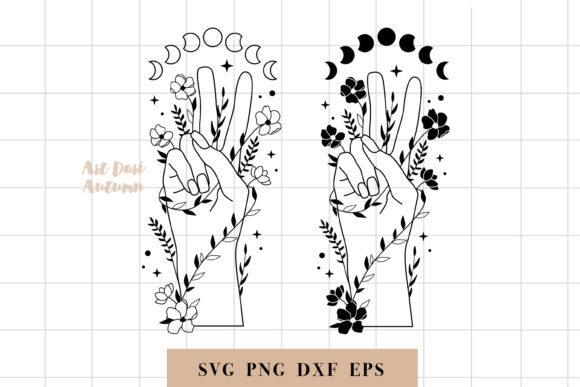
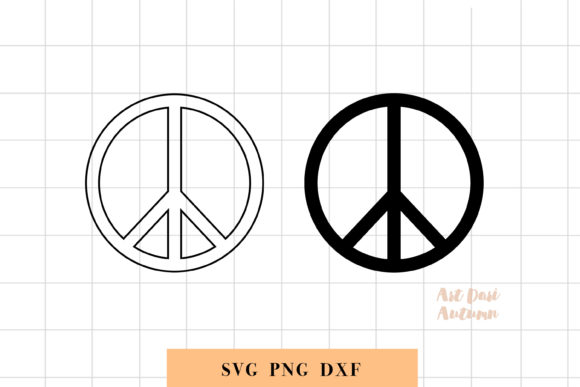
One of the most significant pain points for digital creators is dealing with inconsistent file quality. Watermarks, low resolution, and incompatible formats can disrupt workflows and lead to additional costs. The package associated with the Peace sign SVG addresses these issues directly by providing a comprehensive suite of files. Users receive two elements in PNG format with transparent backgrounds, eliminating the need for manual background removal. Additionally, the inclusion of two elements in both DXF and SVG formats ensures that users have the right tool for their specific machine or software.
The emphasis on high-quality, watermark-free files is crucial for professional use. When creating products for sale, the final output must reflect a premium standard. Any artifacting or imperfections in the source file will be magnified in the final product, potentially damaging the creator’s reputation. By starting with a clean, optimized vector, designers can maintain control over the quality of their output, ensuring consistency across all their projects.
Furthermore, the transparency of the PNG files allows for easy compositing in design software like Adobe Photoshop or Procreate. Designers can layer the peace sign over photographs, patterns, or textured backgrounds without worrying about white boxes or jagged edges. This ease of use encourages experimentation and creativity, allowing designers to push the boundaries of their artistic expression.
The Future of Digital Asset Integration
As technology continues to advance, the line between digital and physical creation will blur further. We are seeing increased integration of augmented reality (AR) and virtual reality (VR) in design processes. Vector assets like the Peace Sign SVG DXF are well-positioned to thrive in this environment because of their lightweight nature and scalability. They can be easily imported into 3D modeling software, used in AR filters, or adapted for laser cutting and engraving.
For entrepreneurs and marketers, staying ahead of these trends means investing in versatile assets that can adapt to new platforms. The Peace sign SVG is not just a current solution; it is a future-proof investment. Its simplicity ensures longevity, while its technical format ensures compatibility with emerging technologies. By incorporating such assets into their libraries, creators build a foundation that supports growth and innovation.
In conclusion, the Peace Sign SVG DXF represents more than just a graphic element; it is a catalyst for creativity and efficiency. By understanding its technical benefits, aligning it with market trends, and exploring its diverse applications, professionals and enthusiasts can unlock new possibilities in their work. Whether you are designing a simple sticker or a complex branding campaign, this asset provides the reliability and flexibility needed to succeed in today’s dynamic creative landscape. Embracing these tools allows creators to focus on what matters most: bringing their vision to life with precision and purpose.