Mastering the Rainbow Alcohol Ink Tumbler Design Wrap for Professional Sublimation Results
The rise of personalized drinkware has transformed custom printing from a niche hobby into a robust creative industry. Among the myriad of design styles available, the Rainbow Alcohol Ink Tumbler Design Wrap stands out for its vibrant aesthetic and fluid artistic appeal. This digital asset offers creators a high-resolution foundation for producing eye-catching 20oz skinny tumblers, but its utility extends far beyond simple beverage containers. Understanding the technical specifications, application methods, and comparative advantages of this design format is essential for anyone looking to integrate it into their product line or creative projects.
Understanding the Digital Asset and Technical Specifications
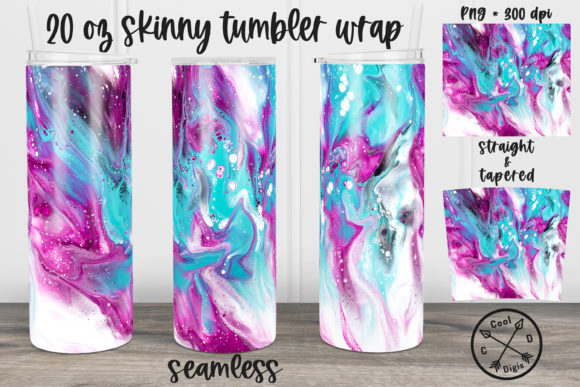
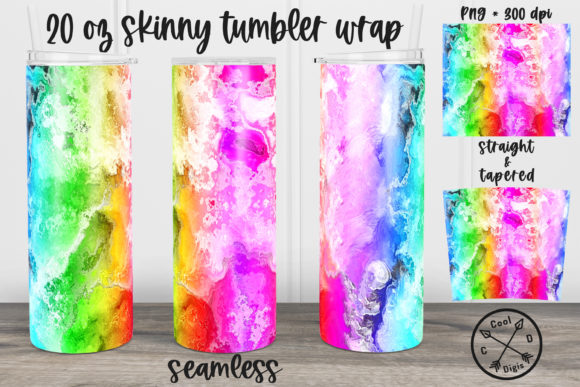
At its core, the Rainbow Alcohol Ink Tumbler Design Wrap is a digital file intended for sublimation printing. Unlike physical stickers or pre-printed wraps, this product is a downloadable resource that requires the user to handle the printing and application process. The collection typically includes two distinct high-quality PNG files housed within a ZIP folder: one optimized for straight-walled tumblers and another for tapered designs. Both files are sized at 9.3 inches by 8.2 inches, rendered at a crisp 300 DPI in RGB color mode.
The resolution is a critical factor here. A 300 DPI (dots per inch) standard ensures that when the image is printed onto sublimation paper and transferred to the tumbler, the edges remain sharp, and the color gradients appear smooth rather than pixelated. The "alcohol ink" style mimics the organic, flowing patterns created when alcohol-based inks interact on non-porous surfaces. This results in a unique, abstract look where colors bleed into one another, creating depth and movement that solid-color prints cannot achieve.
It is important to note that while the file is large and can be resized without significant quality loss due to its high resolution, it is not vector-based. Therefore, extreme upscaling beyond its intended dimensions may eventually reveal softness. However, for its primary purpose—covering a standard 20oz skinny tumbler—it provides more than enough data density for a professional finish.
Comparing Design Styles: Alcohol Ink vs. Traditional Patterns
When evaluating design options for sublimation, creators often choose between geometric patterns, photographic prints, typography, and abstract fluid art. The Rainbow Alcohol Ink Tumbler Design Wrap falls into the latter category, offering specific advantages and tradeoffs compared to other styles.
- Visual Impact: Alcohol ink designs are inherently dynamic. The rainbow spectrum used in this specific wrap ensures high visibility and appeal across diverse demographics. In contrast, minimalist or monochrome designs may appeal to a narrower audience but offer a more subdued aesthetic.
- Forgiveness in Application: One of the practical benefits of abstract alcohol ink patterns is their ability to mask minor alignment errors. Because the design lacks rigid geometric lines or repeating grids, slight rotations or overlaps during the wrapping process are less noticeable than they would be with a striped or checkered pattern.
- Uniqueness: While the digital file is identical for every download, the sublimation process introduces variables such as heat distribution, pressure, and substrate coating. This means no two finished tumblers are exactly alike, adding a layer of perceived value for customers seeking one-of-a-kind items.
However, this style may not suit brands aiming for a corporate, ultra-clean, or strictly typographic look. If the goal is to display legible text or precise logos, an alcohol ink background might compete visually unless used as a backdrop with sufficient negative space or opacity adjustments.
Versatility Beyond Tumblers: Exploring Alternative Use Cases
While marketed primarily for 20oz skinny tumblers, the utility of this Abstract Digital design print is not limited to drinkware. The high-resolution PNG format makes it suitable for a variety of creative applications, provided the user has the necessary software to manipulate the file.
Textile Printing: With the right fabric preparation and sublimation-compatible materials (such as polyester blends), this design can be transferred onto tote bags, pillowcases, or apparel. The vibrant rainbow hues translate well to fabric, though users must account for the white base of the fabric affecting the final color brightness.
Digital Backgrounds and Web Design: For graphic designers, the seamless nature of the alcohol ink texture can serve as a compelling background for websites, social media posts, or digital invitations. The fluid colors add energy without overwhelming foreground content, especially if the image is darkened or blurred slightly in post-production.
Gift Wrap and Stationery: The file can be tiled and printed on standard paper for custom gift wrapping, book covers, or journal inserts. This allows crafters to create coordinated gift sets where the packaging matches the personalized item inside.
Technical Requirements and Workflow Considerations
Prior knowledge of sublimation is needed to use this file effectively. This is not a plug-and-play product for beginners unfamiliar with heat transfer processes. To achieve the results depicted in promotional images, users must possess specific hardware and software.
Software Compatibility: The PNG files are compatible with a wide range of editing tools, including Adobe Photoshop, Illustrator, CorelDraw, PaintShop Pro, Inkscape, and GIMP. Users need these programs to resize the design, mirror the image horizontally (a crucial step for sublimation), and adjust color profiles if necessary.
Hardware Needs: A sublimation printer equipped with sublimation inks is required. Standard inkjet printers will not work, as the ink will not convert to gas under heat. Additionally, a convection oven or a specialized tumbler heat press is necessary to apply even heat around the curved surface of the tumbler. Uneven heat can lead to "ghosting" or color shifts, particularly problematic with gradient-heavy designs like rainbow alcohol ink.
Color Management: A common limitation in digital printing is color variance. Colors may vary from screen to screen, printer to printer, and depend heavily on the inks and substrates used. The RGB mode of the file is ideal for screen viewing, but sublimation printers often operate in CMYK. Users should perform test prints to calibrate their equipment, ensuring the rainbow hues remain vibrant and do not shift toward muddy tones.
Decision Factors: Is This Design Right for Your Project?
Choosing the Rainbow Alcohol Ink Tumbler Design Wrap depends on your target audience, technical skill level, and project goals. Here are key factors to consider when making your decision:
- Audience Preference: If your customers favor bold, colorful, and artistic items, this design is a strong fit. It appeals to those who enjoy expressive, modern aesthetics. If your market prefers understated or classic styles, a solid color or subtle texture might be more appropriate.
- Technical Proficiency: Are you comfortable with image editing and heat press operations? If you are new to sublimation, be prepared for a learning curve. Mistakes in temperature or time can ruin the transfer, wasting both the sublimation paper and the tumbler blank.
- Product Diversity: If you aim to offer a wide range of products beyond tumblers, this versatile digital file adds value. Its adaptability to textiles and paper goods allows for cross-promotion and bundle creation.
- Cost Efficiency: As a digital download, the cost per use decreases with volume. Once purchased, you can print the design indefinitely, making it a cost-effective option for small businesses compared to ordering pre-printed wraps in bulk.
In conclusion, the Rainbow Alcohol Ink Tumbler Design Wrap offers a professional-grade resource for creators seeking to produce vibrant, high-quality sublimated items. Its strength lies in its visual appeal, technical flexibility, and versatility across multiple mediums. However, success with this product requires a solid understanding of sublimation techniques and color management. By weighing these factors against your specific needs and capabilities, you can determine whether this abstract digital design is the right choice for your next creative endeavor.